

 English
 Dennis
 German
 Chiness
Rail freight logistics has long been a cornerstone of transportation, offering a sustainable, efficient, and reliable means of moving goods across regions. As global supply chains evolve, rail freight continues to play a vital role in connecting businesses and consumers, bridging long distances with cost-effective and eco-friendly solutions.
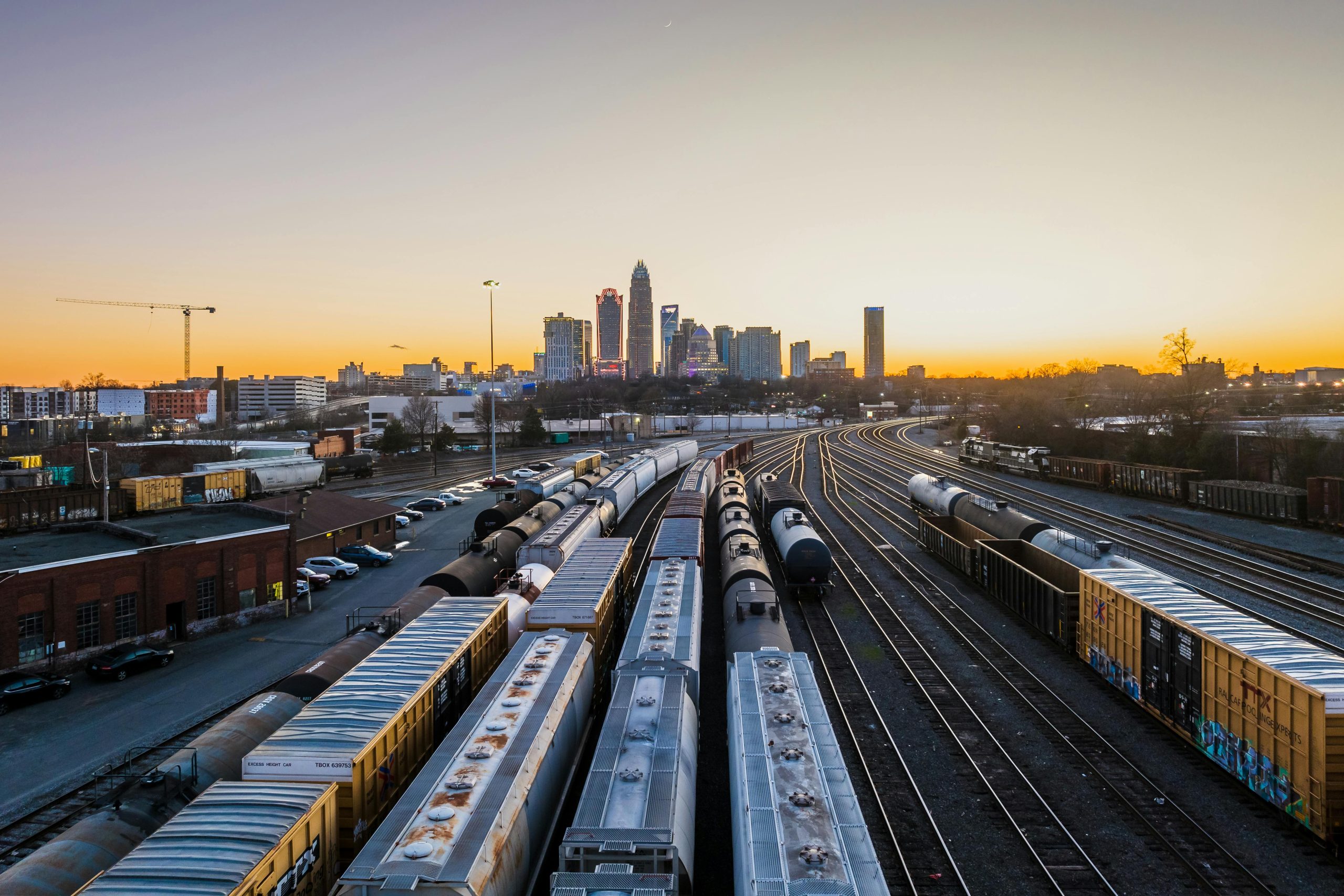
THE IMPORTANCE OF RAIL FREIGHT IN MODERN LOGISTICS
Rail freight is an integral part of intermodal transportation systems, providing a critical link between ports, warehouses, and distribution centers. It is especially valuable for transporting large volumes of goods over long distances, offering a balance of affordability and reliability. Key industries such as manufacturing, agriculture, and energy rely heavily on rail freight to maintain seamless operations.
ADVANTAGES OF RAIL FREIGHT LOGISTICS.
- Cost-Effectiveness Rail freight is highly economical for bulk shipments, reducing transportation costs compared to road and air freight.
- Energy Efficiency Trains are significantly more fuel-efficient than trucks, making rail freight an environmentally friendly option for long-haul transportation.
- Capacity for Bulk Goods Rail freight excels in moving heavy or oversized goods, including raw materials, machinery, and agricultural products.
- Reliability Rail schedules are less affected by traffic congestion and weather conditions, ensuring consistent delivery times.
- Safety Goods transported by rail are less prone to damage and theft due to the controlled environment of railcars and terminals.
APPLICATIONS OF RAIL FREIGHT LOGISTICS
fleetdyno
Intermodal Transport: Rail freight works seamlessly with trucks and ships to create efficient intermodal logistics solutions.
Bulk Commodities: Industries rely on rail to transport coal, minerals, chemicals, and other bulk commodities.
Automotive Logistics: Rail is a preferred method for moving vehicles and auto parts between production facilities and distribution centers.
Agricultural Goods: Rail efficiently handles the transportation of grains, fertilizers, and other agricultural products.
Consumer Goods: With the rise of e-commerce, rail freight is increasingly used for large-scale distribution of consumer products.
TECHNOLOGY AND INNOVATION IN RAIL FREIGHT LOGISTICS
The integration of technology has transformed rail freight logistics, enhancing efficiency and visibility throughout the supply chain:
- Digital Tracking: GPS and IoT-enabled sensors provide real-time tracking of railcars, improving transparency and shipment management.
- Automated Systems: Rail operators use AI and machine learning to optimize scheduling, routing, and load management.
- Sustainable Solutions: Hybrid and electric locomotives are reducing emissions, further solidifying rail freight as an eco-friendly option.
- Smart Terminals: Automated terminals expedite cargo handling, reducing delays and improving throughput.
CHOOSING RAIL FREIGHT FOR YOUR BUSINESS
To fully leverage the benefits of rail freight, consider these factors when integrating it into your logistics strategy:
- Volume and Distance: Rail freight is ideal for large-volume shipments over long distances.
- Network Accessibility: Ensure your shipping destinations are well-connected by rail lines and terminals.
- Intermodal Capabilities: Combine rail with other modes of transportation for a comprehensive logistics solution.
- Provider Expertise: Partner with rail freight operators experienced in handling your specific cargo type.
THE ENVIRONMENTAL IMPACT OF RAIL FREIGHT
Rail freight logistics is a leader in sustainable transportation. Trains produce significantly lower greenhouse gas emissions compared to trucks, reducing the carbon footprint of supply chains. By shifting more shipments to rail, businesses can achieve their sustainability goals while maintaining cost efficiency.
CHALLENGES AND SOLUTIONS IN RAIL FREIGHT LOGISTICS
Despite its many advantages, rail freight faces challenges such as:
- Limited Flexibility: Fixed rail routes may not provide door-to-door service. Intermodal solutions can address this by combining rail with road freight.
- Infrastructure Constraints: Upgrading rail infrastructure and expanding networks are necessary to meet growing demand.
- Scheduling Complexity: Advanced software tools are helping optimize schedules and improve rail line utilization.
CONCLUSION
Rail freight logistics remains a cornerstone of reliable and sustainable transportation. Its cost-effectiveness, energy efficiency, and ability to handle bulk shipments make it an indispensable part of modern supply chains. By leveraging technology and partnering with experienced providers, businesses can unlock the full potential of rail freight to streamline operations and reduce environmental impact.
For businesses seeking efficient long-haul transportation solutions, rail freight offers a dependable and eco-friendly option. Invest in rail freight logistics to drive growth and sustainability in your supply chain.
admin
April 22, 2020 at 4:36 amGrursus mal suada faci lisis Lorem ipsum dolarorit more an ametion dummy consectetur elit Vesti bulum nec odio aea the dumm.
Anonymous
April 22, 2020 at 4:41 amGrursus mal suada faci lisis Lorem ipsum dolarorit more a ametion dummy consectetur elit Vesti bulum nec odio aea the dumm.
M. Cox
April 22, 2020 at 4:45 amLorem Ipsum available but the majority is have is suffered alteration in that some form by injected humour or more then randomised.
Tom Clancy
April 22, 2020 at 4:43 amGrursus mal suada faci lisis Lorem ipsum dolarorit more a ametion dummy consectetur elit Vesti bulum nec odio aea the dumm..