

 English
 Dennis
 German
 Chiness
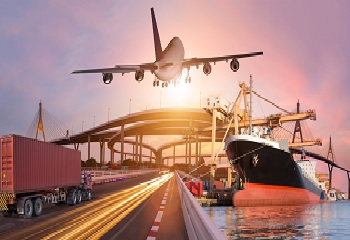
Exploring the Best Transport Modes: Road, Air, and Sea
When it comes to transporting goods and people, three primary modes dominate the industry: road, air, and sea. Each of these transport methods offers unique advantages, making them suitable for different types of cargo and travel needs. Understanding their benefits and limitations can help businesses and individuals make informed decisions about their logistics and travel plans.
Road Transport: Flexibility and Accessibility
Road transport is one of the most commonly used methods for moving goods and people. Trucks, buses, and private vehicles provide a high level of flexibility, allowing direct transportation to destinations without the need for additional handling. The advantages of road transport include:
-
Door-to-door delivery: Ideal for short to medium distances, ensuring convenience.
-
Cost-effectiveness: Often more affordable than air transport for regional shipments.
-
Accessibility: Roads reach even remote locations, making this mode indispensable for last-mile delivery.
However, road transport may be affected by traffic congestion, road conditions, and fuel price fluctuations, which can impact efficiency.

Air Transport: Speed and Efficiency
For time-sensitive deliveries and long-distance travel, air transport stands out as the fastest option. Cargo planes and passenger aircraft ensure rapid movement across cities, countries, and continents. Some key advantages of air transport include:
-
Speed: Ideal for urgent shipments and express delivery.
-
Global reach: Connects even the most distant locations efficiently.
-
Security: High safety standards minimize the risk of damage or theft.
On the downside, air transport is generally more expensive than other modes and has limitations on the types and volumes of cargo it can carry
Sea Transport: Cost-Effective for Bulk Cargo
For businesses involved in international trade, sea transport is an essential mode of moving large quantities of goods. Cargo ships handle everything from raw materials to consumer goods at a much lower cost than air freight. The benefits of sea transport include:
-
High capacity: Suitable for bulky and heavy cargo.
-
Lower costs: More economical for long-distance shipments.
-
Eco-friendly: Produces fewer carbon emissions per ton-mile compared to air and road transport.
Despite these benefits, sea transport is slower than air and road transport, making it less ideal for urgent deliveries. Additionally, factors such as weather conditions and port congestion can affect delivery times.
Choosing the Right Transport Mode
Selecting the best transport mode depends on factors such as cost, speed, and the nature of the goods being transported. Businesses often use a combination of road, air, and sea transport to optimize efficiency and reduce costs.
By understanding the strengths and weaknesses of each mode, companies and individuals can make informed decisions to enhance their supply chain, travel experiences, and overall logistics operations